
The Federal Government’s plan to introduce a fuel tax has triggered widespread criticism, with Nigerians expressing concerns that the proposed levy could further increase living costs and deepen the financial pressure on households and businesses.
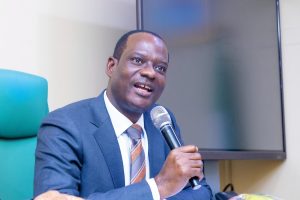
The controversy followed comments by the Minister of Finance and Coordinating Minister of the Economy, Taiwo Oyedele, who disclosed that the government intended to introduce the tax when economic conditions improved and Nigerians’ incomes could better accommodate the additional cost.
Oyedele said revenue from the proposed levy would support road infrastructure development and help establish a fuel reserve to cushion the impact of future price shocks, The News Edition reports.
However, the proposal has drawn criticism from citizens and business operators who argue that Nigerians are already struggling with high petrol prices, rising transportation costs, naira depreciation and the effects of the removal of the petrol subsidy.
Taiwo Oyedele Explains FG’s Fuel Tax Plan
Oyedele disclosed the government’s plan during an interview on the sidelines of the 2026 International Monetary Fund (IMF) and World Bank annual meetings in Bangkok, Thailand.
According to the minister, the proposed tax would not take effect until the government considered the economy sufficiently stable and household incomes better able to absorb the additional financial burden.
He explained that introducing the levy while petrol was subsidised would have been counterproductive because the government would effectively have borne the cost.
He also argued that implementing the tax immediately after the removal of the subsidy would have placed additional pressure on Nigerians.
Oyedele said the government wanted to focus on growing incomes faster than prices rise rather than relying on policies designed to suppress prices.
He maintained that the proposed tax was intended to support long-term economic development rather than simply generate additional government revenue.
FG Says Fuel Tax Will Fund Roads, Build Fuel Reserve
The finance minister said proceeds from the proposed levy would be directed towards road infrastructure and the development of a fuel reserve intended to help Nigeria respond to future disruptions in petroleum prices.
According to Oyedele, the reserve could help moderate the impact of sudden price increases, while the government could temporarily waive the tax during periods of severe price shocks to ease pressure on consumers.
He also stressed that the levy could not be activated secretly because the applicable legal framework requires an order by the finance minister to be published in the Official Gazette.
Oyedele said the government would explain the reasons for implementing the tax and its expected benefits when the appropriate time arrived.
However, critics have questioned whether Nigerians would receive sufficient relief to offset the additional costs associated with the proposed policy.
Five Per Cent Fuel Surcharge Remains Controversial
The proposed tax has revived concerns about the five per cent surcharge on chargeable fossil fuel products provided for under Nigeria’s tax framework.
The implementation of the surcharge remains subject to the required ministerial order, while organised labour and business groups have previously opposed the measure over its potential effect on consumers and businesses.
Certain products are exempt under the existing framework, including household kerosene, cooking gas, compressed natural gas and clean or renewable energy products.
The debate has also raised questions about the timing of any new levy, given the pressure that petrol prices already place on transportation, electricity generation and the cost of doing business in Nigeria.
In June 2026, the Federal Government reportedly dismissed claims that it was introducing fresh taxes on petroleum products following recommendations in the IMF’s Article IV consultation report.
The government said the value-added tax (VAT) waiver on petroleum products remained in place and that no process to activate the fuel surcharge was then under consideration.
Oyedele’s latest remarks have therefore renewed public debate over when the proposed surcharge could be implemented and what conditions would trigger its introduction.
Nigerians Fear Further Increase in Petrol Prices
The prospect of an additional fuel levy has angered some Nigerians, particularly small business owners who depend on petrol-powered generators because of unreliable electricity supply.
A tailor, Niyi Osundare, criticised the proposal, arguing that another charge would worsen the financial difficulties faced by businesses already struggling with high operating costs.
Osundare said petrol prices, which he put at about ₦1,400 per litre, had made it increasingly difficult for small businesses to remain profitable.
He warned that an additional levy could push operating expenses higher, forcing more businesses to reduce operations or shut down.
The tailor also questioned the government’s assurance that the tax would only be introduced after economic conditions improved, expressing doubts about when Nigerians would experience meaningful relief.
His concerns reflect broader public anxiety about the relationship between fuel prices, business survival, employment and the rising cost of essential goods and services.
Lawyer Questions FG’s Promise to Use Revenue for Infrastructure
A lawyer and public affairs analyst, Kunle Onatade, also criticised the proposed tax, questioning whether the government had adequately demonstrated the benefits of previous fuel subsidy reforms.
Onatade argued that Nigerians had previously been assured that savings from the removal of the petrol subsidy would support infrastructure development and other public services.
He questioned the government’s record on delivering those benefits and alleged that the proposed levy could create further opportunities for financial mismanagement.
The analyst also raised concerns about government borrowing and the wider economic consequences of additional taxes.
His comments reflect criticism from Nigerians who want greater transparency over how revenue generated from economic reforms is spent.
However, his allegations about the use of public funds and the government’s borrowing record should be assessed against official fiscal data.
Business Owners Warn of Higher Production Costs
Business groups have also expressed concern that the proposed fuel tax could increase the cost of production, transportation and distribution across Nigeria.
The Association of Small Business Owners of Nigeria urged the Federal Government to prioritise measures that would ease the financial burden on households and businesses.
The group warned that an additional charge on fuel could place small and medium-sized enterprises under greater pressure, particularly those that rely on generators and fuel-powered transportation.
Higher operating costs could also affect the prices businesses charge consumers, potentially adding to inflationary pressures and reducing household purchasing power.
Business operators are therefore calling for policies that improve economic conditions and support business growth before the government considers introducing additional fuel-related charges.
Fuel Subsidy Removal Continues to Shape Economic Debate
The controversy over the proposed fuel tax comes more than three years after President Bola Tinubu announced the removal of the petrol subsidy during his inauguration on May 29, 2023.
The decision was presented as part of efforts to reduce government spending and redirect public resources towards other priorities.
However, the removal contributed to higher petrol prices and increased transportation and living costs, making fuel policy a major subject of public debate.
The government has also implemented foreign exchange reforms, which have influenced the cost of imported petroleum products and other essential goods.
Oyedele has explained that the transition involved managing the relationship between petrol prices and exchange-rate movements to limit the immediate impact on Nigerians.
He said the petrol subsidy was completely removed in October 2023, after the government had withdrawn support for both petrol prices and foreign exchange.
With Nigerians continuing to demand relief from high living costs, the prospect of a new fuel tax has intensified calls for the government to prioritise economic recovery, transparency and measures that protect household incomes.
For now, the timing of the proposed levy will depend on the government’s stated economic conditions and the formal steps required for its implementation.